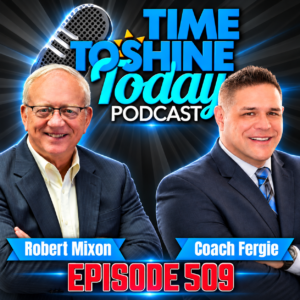
Grant Elliott is from Carmel Indiana, had a passion for skateboarding that he feels helped his overall success in life so far. He became a doctor of chiropractic focusing on rehabilitation, grew a social media presence while in school, then eventually built the biggest online low back rehab program with an audience of over 3 million followers
fERGIE’S tOP 5+ Knowledge Nuggets and Take-Aways
- Pain is not a prison but a messenger, signaling where movement, habits, or alignment need correction 🧠
- Physical resilience is built through intelligent movement, not avoidance, rest, or fear-based care 🔄
- Most chronic back issues improve through structured, evidence-based rehab rather than surgery or injections 🦴
- Proper assessment and targeted movement unlock faster progress than generic workouts or guesswork 🧩
- Belief in the body’s ability to adapt is a critical driver of recovery and long-term health 🌱
- Movement-based solutions outperform rest-based approaches for strength, mobility, and durability 💪
🛠️Recommended Resources – Hover and Click
🐦 The Rehab Fix X formerly Twitter
Please Consider Supporting the 988 Suicide and Crisis Hotline
- 🔹Valuable Time-Stamps 🔹
- 🕒 00:02:05 – Pain as feedback
- 🕒 00:05:30 – Skateboarding built resilience
- 🕒 00:09:10 – Fear-based care fails
- 🕒 00:14:40 – Independence over dependency
- 🕒 00:36:15 – Movement beats overthinking
catch up with our Past Episodes!!
Music Courtesy of: fight by urmymuse (c) copyright 2018 Licensed under a Creative Commons Attribution (3.0) license. http://dig.ccmixter.org/files/urmymuse/58696 Ft: Stefan Kartenberg, Kara Square
Artwork courtesy of Dylan Allen
Videography courtesy of Aubrey’s Aerials
Speech Transcript
Dr. Grant Elliott: [00:00:00] Hey, this is Dr. Grant Elliott with Rehab Fix, and if you really wanna learn how to level up your life, you should be listening to the Time to Shine Today. Podcast with my good friend Scott Ferguson. Let’s level up.
L. Scott Ferguson (Coach Fergie): Hey, time to Shine today. Podcast Varsity Squad. It’s Coach Fergie. And I’m just gonna do a really quick intro before we dig into the interview I did with my good friend chiropractor the founder of Rehab Fix. Huge online presence. I’m just blown away by the notes that I have. Just from this, the free content he gives away at all times.
And also if you’re in some pain, he’s your go-to guy, even online. So I really want you to break out your notebooks. I’d love to have you, hit subscribe and and all that other jazz sponsors and affiliates. Absolutely love that. But also share this with somebody that has back pain or pain throughout their body. <<READ MORE>>
L. Scott Ferguson (Coach Fergie): Hey, time to Shine today. Podcast Varsity Squad. It’s Coach Fergie. And I’m just gonna do a really quick intro before we dig into the interview I did with my good friend chiropractor the founder of Rehab Fix. Huge online presence. I’m just blown away by the notes that I have. Just from this, the free content he gives away at all times.
And also if you’re in some pain, he’s your go-to guy, even online. So I really want you to break out your notebooks. I’d love to have you, hit subscribe and and all that other jazz sponsors and affiliates. Absolutely love that. But also share this with somebody that has back pain or pain throughout their body. <<READ MORE>>
Please share it. There’s so many knowledge and I get so many things here that, Dr. Grant puts out that is, will help you level up and get through it. Without further ado, here’s my really good friend Dr. Grant. Oh, real quick [00:01:00] thank you to Joel, Evan, one of my brothers from another mother for introducing me to Dr.
Grant. So again, without further ado, here’s my really good friend, Dr. Grant Elliot. Let’s level up. Hey, time to Shine today. POD Podcast Varsity Squad. Welcome back to another powerful edition of Time to Shine Today podcast. I’m your host, coach Fergie. Blessed to be your gap coach, specialize in the peak performance mental conditioning, working with business leaders, entrepreneurs, entertainers, athletes, C-suite, and students to help them bridge their success gap.
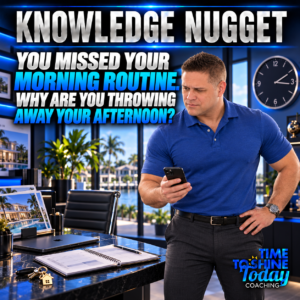
To live a life of options and not obligations on this platform, we are stoked to bring you high perform. Who are not just chasing entertaining success, but redefining it through, providing above and beyond service and squad. My really quick one minute knowledge nugget. This week is gonna align with who my guest is and my knowledge nugget is about pain.
And pain is a me messenger, not a prison. Varsity squad. Too many people treat pain like a life sentence. Physical pain, emotional pain, business pain, whatever form it takes, they see it as punishment. But here’s the truth, pain is not the enemy. Pain’s, the intel. It’s your body and your soul [00:02:00] trying to get your attention.
When you ignore it, you say you stay stuck. When you react to it, you get reckless. But when you listen to it, when you get still and actually decode what it’s trying to tell you, that’s where growth happens. Pain isn’t there to break you. It’s there to build precision. It’s a mirror showing you where you’re out of alignment with your habits, your health, your hustle, your purpose, and the ones who win long term.
Don’t run from pain. They lean into it, dissect it, learn from it, and then move through it with discipline and neutrality. So today’s message is simple. Don’t numb the pain. Don’t dramatize it. Translate it. Because the moment you start treating pain as feedback instead of failure, you stop being its prisoner and start becoming its master.
That’s how you level up squad and talking about leveling up and working through pain and having that pain disappear and leaning into it and doing it the right way. We’re gonna dive into a story that starts on a skateboard and ends up transforming the world of rehab and human performance. My guess is a powerhouse from Carmel, Indiana, but now he’s moved to sunny South Florida.
Dr. Grant, Elliot Grant [00:03:00] turned his love of skateboarding, grit, and movement into a mission to help millions move pain free while earning the. His doctorate of chiropractic degree, he built a social media empire, and I’m talking Empire Squad. Okay. Teaching real no fluff recovery and performance strategies that actually work.
Fast forward to today. He’s the founder of Rehab Fix, the largest online, low back rehab platform on the planet, serving a community of over 3 million strong across Instagram, YouTube, and beyond. This guy, my guy, who got introduced to me by my really good friend, Joel, Evan. The, it isn’t just adjusting spines, these adjusting mindsets, redefining what’s possible for anyone, battling pain and providing that consistency, creativity, and purpose that can build a global movement.
So Varsity Squad, grab your notebooks ’cause I have mine open right now. Ready to take some notes ’cause here comes my really good friend, Dr. Grant Elliot and Dr. Grant. Thank you for coming out. Please introduce yourself. The time to shine today, podcast varsity. Describe a first. What’s your favorite color and why?
Dr. Grant Elliott: My favorite color green. It was always green. Mainly because what [00:04:00] green immediately makes me think of is being a kid running around My neighborhood I grew up in, it’s called Jordan Woods. It was in Woodlands, so we just had nice green grass and trees all around us and just makes me think of health and vitality.
So I’ve always leaned on green.
L. Scott Ferguson (Coach Fergie): I love it, man. It’s rebirth a lot of times. A lot of times people come to see you. They’re probably in some of the worst days of their life, they just are. Outside of baby. Being a police officer, going to the chiropractor is just not fun ’cause you’re usually going to ’em until they get into a maintenance.
You know where they’re working with a chiropractor consistently. They’re going to you for pain relief. And that’s why I drew up my little coaching knowledge nugget around pain. But I gotta ask you, so you started with a skateboard under your feet, right? You’re pretty darn good about it.
Now there’s a, I like to say a stethoscope and a white coat, but I know that you’re like, if you’re watching guys and gals, like the dude’s jacked and he’s a pretty handsome guy, so I don’t see any like stethoscope there but what lessons do you learn from eating pavement? And chasing tricks that now fuel the way you coach people through pain and movement today.
Because, doing what you did is crazy, dropping into half pipes and [00:05:00] whatnot.
Dr. Grant Elliott: Yeah. Here’s the connection point there, and I think you’re gonna love the slight twist that I take on this is that developed a mindset for success. And the reason why is because skateboarding is hard.
You fall a lot and it’s extremely mental. Yeah. And what you’re doing if you want to get good at skateboarding at all is you’re slamming and then you’re convincing yourself to go do it again and again and again. And so the two biggest things that skateboarding taught me throughout, I was a kid.
I started skateboarding when I was 11. Sure skated every, probably every single day until I was 16. I objectively I did get pretty good. I got sponsored. Wow. And then I still jump on the board every once in a while here and there, just with my kids. So rusty now. But anyway, the two biggest things that skateboarding taught me at the time, and I did not realize it was teaching me, I didn’t realize it taught me this until a few years ago, was one.
Not being afraid to do things and to push myself like fear avoidance behaviors. It, it [00:06:00] allowed me to push myself out of my comfort zone over and over, so that my perception of risk, what it, what I would say is became healthy. Meaning, oh, solid. Yeah. Meaning I’m not afraid of risk. Yeah. And that my perception of risk is very different than others, which helps you in life and in business to many capacities.
So when I was confronted with decisions that others might perceive as risky, oh, that’s out of your comfort zone. That doesn’t seem secure. Oh, that’s risky Because of what skateboarding helped me develop. I did not perceive it that way, and I had a higher willingness to push myself and to make leaps that other people perceived as risky, which as we know, generates you and propels you through life lower, immensely faster.
L. Scott Ferguson (Coach Fergie): Lean into the pain, to an degree. Yeah. Yeah. It’s, it’s crazy. A chapter in my book, this that’s coming out, harmonic Hussle. There’s a chapter where the hero, it’s a hero story, meets a skateboarder. And I was [00:07:00] blessed to know Tony Hawk pretty good, right? Like back in, I was stationed in California and it was just somehow we met, meshed up and his little squad out there.
And so the whole, like the chapter’s written about being present in the situation, ’cause that. If you’re 10 feet off of a half pipe, you’re not thinking, are my bills paid? Are my, anything else except for landing that trick. Except for staying right there. There’s so many lessons in skateboarding because one is, like you said, it’s dangerous, you’re gonna eat it or slam or whatever you said.
But really squat, if you got what he said about, pushing out of and stretching his comfort zone and that the perception of his wrist became healthy in instead of going down another rabbit hole of negativity. So Doc, you’ve built. One of the biggest online low back rehab programs in the world.
And that’s something that is to me is crazily impressive. But that doesn’t happen without resistance. Okay. So what’s the moment or maybe the season of your life when you thought, I don’t know if I can keep this up. And how’d you push through it? Because it’s, like what you did.
’cause most [00:08:00] chiropractors, they go to Palmer or wherever they go. And then they just adjust backs. So that, and they could make a damn good living at that. But what was it that really pushed you into going to different routes and being, create creative and what you have now? ’cause this is crazy impressive.
Dr. Grant Elliott: Yeah. So I was a competitive cyclist when I was in high school. Going into college, I was getting scholarship opportunities for cycling. I developed back pain, started significantly impacting my races to the point where I was stopping in the middle of the race. Going off the trail, trying to stretch my back, figuring out how to get the flare up, gone, and then continuing, so my placing got worse and worse now.
The only thing we knew was hey, chiropractors help with low back issues. I should go do that. However, this scenario is different. I saw what I now know as a old school traditional chiropractor where there’s a lot of fear mongering. There’s a lot of outdated and non-evidence based approaches such as, Hey, your spine’s crooked, we need x-rays all the time, and you gotta come see me three times a week forever.
And [00:09:00] this type of approach that we know is not appropriate nowadays. And I did not get better surprise. I eventually quit racing.
L. Scott Ferguson (Coach Fergie): Right.
Dr. Grant Elliott: Lost my scholarship opportunity. I have to ask
L. Scott Ferguson (Coach Fergie): you. Cycling as in like mountain bike cycling or road cycling?
Dr. Grant Elliott: Yes. Cross specifically cross country, mountain bike racing.
Very cool.
L. Scott Ferguson (Coach Fergie): Very cool. Awesome.
Dr. Grant Elliott: So I stopped racing. It’s like, all right, I guess I’ll just start working out ’cause I need an outlet and I eventually met. Who ended up being a chiropractor in the gym. ’cause I saw him doing some interesting movements, some like warmup techniques and some like activation techniques for his muscles.
Just like different drills. And I was like, I don’t see anyone else in this gym doing stuff like that. And I was watching him over time. Sure. So I went and I approached him. I came to find out he was a chiropractor, and just the way he talked about movement and rehab, I was like, this is completely different than what I received.
I didn’t know chiropractors could do other stuff like that. Sure. So I went, shadowed him. He inspired me, really. And I realized, okay I realized, okay, I want to become a chiropractor because a chiropractor failed me. Sure. And I wanna be the best version [00:10:00] at this and teach people how to fix themselves.
L. Scott Ferguson (Coach Fergie): Right.
Dr. Grant Elliott: So when I was in school, everything I did was sports, medicine, rehab, movement. That’s all I did. There’s really nothing I do now that I learned in school that was really just to get the degree. I invested heavily outside of that. Yeah, and then about halfway through school I realized, hey. Social media is becoming very popular, so I probably need to start posting just to have a portfolio of some capacity.
And my vision was that this was just gonna serve so that when I was seeing patients in person, it was just there to serve as like a website essentially. Hey, look at my videos. You can see I do rehab now come to me in person. Sure. That was the original concept. I was posting once a week.
Posting twice a week. I had my skateboarding background, which taught me how to edit videos, so I was editing my videos. And then my page started growing a little bit and I became in love with that growth. I just said, Hey, this is something I’m building. This is fun. How can I make better videos? How can I post more often?
Your videos
L. Scott Ferguson (Coach Fergie): are awesome,
Dr. Grant Elliott: dude.
L. Scott Ferguson (Coach Fergie): Can, I’m [00:11:00] sorry I gotta interject like squad we’ll gonna play one in a little bit. We’ll have it on screen here if you’re on Vimeo or YouTube. But dude, I’m sorry. They’re. Fricking awesome. Keep going. Keep going, man. Yeah,
Dr. Grant Elliott: it’s, I have no problem saying we are the highest production values.
It’s awesome
L. Scott Ferguson (Coach Fergie): pain page in the world. Damn. I want that. Yeah,
Dr. Grant Elliott: no problem saying that. I just became in love with the growth and so I was building my page, and I decided to commit to posting one time every day for the last year of my schooling.
L. Scott Ferguson (Coach Fergie): Okay, what year is this? Can I go there With what year?
I started
Dr. Grant Elliott: posting in 2017.
L. Scott Ferguson (Coach Fergie): Wow. Okay. So almost this year. Eight years, man. Yeah. Yeah. Okay.
Dr. Grant Elliott: So by the time it was like, let’s say approaching 2000. Yeah, probably about 2019. I was like, all right, I’m gonna post every day for a year. So I posted every day for a year, and one year I gained a hundred thousand followers.
So the day I graduated a hundred thousand followers, didn’t know what to do with that. Was just building just for the sake of building, just ’cause I just wanted to grow. Wow. Started a brick and mortar practice at the start of 2020. [00:12:00] Did well, a few months later into 2020. We all know what happened, COVID happened.
L. Scott Ferguson (Coach Fergie): What’s that? Kidding?
Dr. Grant Elliott: So as a fresh grad, well out in Florida, I would actually agree with that.
L. Scott Ferguson (Coach Fergie): But anyway, yeah, with that. Gotcha. Yep.
Dr. Grant Elliott: So after a few months of graduating swimming upstream, businesses shutting down, and I was like, oh man, it’s tough to keep this alive, but I had over a hundred thousand followers.
I didn’t know what to do with. And I was posting and whatever. So then I made the decision, okay, I’m gonna go all in. So I cut the leg off of brick and mortar practice. I went a hundred percent in on my social media figuring out how can I turn this into a business? How can I help people? ’cause I’m getting messages from people all over the world every day.
And then eventually figured out how to build an online program, how to build structure to it, how to grow. And I, went from a new graduate to a staff of 15 within two years. And then, yeah, became the number one online rehab program today.
L. Scott Ferguson (Coach Fergie): So I have to ask you a very generic question here, but [00:13:00] what makes a great chiropractor?
Yeah. Like I know that you said growing up I had that k. Done and out the door. I was like you. I performed pretty high in wrestling and played a lot of high level baseball and I was always seeing a chiropractor and it was just in and out and it was just like very impersonal. Just here you go.
But what do you feel makes a great chiropractor?
Dr. Grant Elliott: So what makes a great chiropractor is the exact same as what makes a good physical therapist at what makes a good medical doctor. It’s the same. And here’s what I mean. At the highest level, if you are truly an evidence-based practitioner. This applies to all professions where we’re not using fear tactics, we’re not relying on premature imaging.
So someone has pain. If the very first response to pain is, alright, let’s get a scan done. Let’s get an X-ray, let’s get an MRI. That is, that’s not an evidence-based approach. It is proven over and over again to lead to premature invasive procedures. So premature injections, premature surgery, worse [00:14:00] outcomes.
Over and over again. It’s shown to link to this also, a provider should always be maintaining the goal of turning the individual independent. Okay, so how can I give them the appropriate education and exercise to teach them how to be independent? That should always be the goal. So if you’re seeing a medical doctor, a chiropractor, or a physical therapist, where the only thing you’re being provided is things that can be done at the office or that you need them to perform to you, it’s the wrong approach.
So what do I mean by that? The example of a medical doctor, I’m only giving you pills. No plan of action to fix yourself. The chiropractor version, I’m only going to adjust you no plan of action to fix yourself, right? The physical therapist version, I’m only gonna do, eim ultrasound or a hot pack.
That’s all we’re gonna do. No plan for you to fix yourself
L. Scott Ferguson (Coach Fergie): when you go home and like the work and stuff.
Dr. Grant Elliott: Yes. For yourself, right? Gotcha. Yes. Realistically the time you’re in an office should be the smallest amount of time of your actual care plan. It should [00:15:00] just be to give you the guidance for the next steps.
The real work is the execution. So if you’re with a provider. Scaring you, telling you, oh, this is the worst X I’ve ever seen. This is your disc is exploding. It’s leaking. I can’t believe you can walk right now. You need imaging and we need to do injections. And with just adjustments or just relying on me, that is not an evidence-based approach.
When in reality we know that the vast majority of low back issues, 97% of disc herniations, they can be resolved without surgery through a right rehab plan, through teaching people how to move better. That’s it.
L. Scott Ferguson (Coach Fergie): So did your discovery process goes pretty deep then I’m thinking. Absolutely. Like when you get a patient, it’s like the questions are there.
You probably it. You have a knack for listening, and I call it with your neck, meaning like really leaning in, not just listening with your ears, but obviously visually and whatnot. So what, when you’re starting to work with a patient, what is that secret sauce that you have to really zone in?
’cause a lot of your stuff I would think is [00:16:00] online. Like what we’re doing right now, but maybe find that blind spot that, that injury that’s evidence-based, like you’re digging deeper than just the service. Not just going and say, Hey. Let’s image this up. What is that secret sauce?
Like how do you work it? Like how does work when somebody comes to you via Zoom or however you handle your patients and go through like your discovery process?
Dr. Grant Elliott: Yep. So initially we always start with a free 15 minute consultation with everybody. Everyone has access to this where we gather appropriate history.
So just by getting the history of a patient, the history alone can give you about 85% of the diagnosis just listening. Wow. Yeah. As a small sidestep here, it’s funny. One of the biggest things we hear from all of our online clients around the world is that we gave them more time and more attention than they’ve ever received in any in-person situation.
So we listened to them for 15 minutes. We asked the right questions first. We wanna determine that what they’re experiencing is normal pain, meaning it’s not something that’s an emergent [00:17:00] scenario. There’s no scary signs or symptoms. We have had conversations with people where we realize there was an non-immune disorder going on.
It was cancer, it was referral from an organ and we appropriately referred them. So step one is, let’s make sure this is a common scenario of low back disc, sciatica related conditions, and that rehab is the right step for you. Okay, great. That’s established a lot of value there. Then after that is the evaluation determine the right rehab plan.
Orthopedic tests, ranges of motion. Let’s identify the individual’s movement and trigger. So we take them through a lot of movement testing during the call based on what triggers their pain. That gives us insight onto the exercises that we should then perform and try. So then we go through exercises with them live.
During that call, we find the movements that are right for them. We find the movements that are wrong for them, and then we redo their testing and we typically see on average 37% improvement in a single call amongst our [00:18:00] population. Wow. So the goal is to get results in the first call. We don’t always, sometimes we get a ton, sometimes we get none.
That’s the average. Sure. So this helps us identify, here are your restrictions. Here are your triggers. These are the exercises that worked. Therefore, this is causing your pain, and this is what we need to focus on to fix it. And then we use that information to build a movement-based plan for them, and we work one-on-one with them.
We guide them every single step of the way. They have unlimited communication with a physician, and we guide their plan to ensure they see results every week while teaching them how to be independent and how they can fix it themselves so that they don’t ever need to rely on us or anyone again. I love that you said, become independent with their protocol.
L. Scott Ferguson (Coach Fergie): So with myself, with coaching I have a, my, my clients must text me by 9:00 AM their local time. Certain things that I, that we ask for to really keep the reticular activating system going and fired. From a mindset side of things. But and we’d let them know it’s it’s 9:00 AM where’s our protocol?
How about the accountability with [00:19:00] your company, because you’re handling a lot of people and you send them home with their independent protocol. That doing are you guys following up to make sure that they’re doing it? What kind of follow up plans do you have with them?
Dr. Grant Elliott: Yep, yep.
Accountability is great and it’s more enhanced in an online setting because if you are seeing a therapist, let’s say once a week, you’re not walking around with that therapist with you every day. Absolutely. Yeah, it’s difficult. But in an online format. Here’s where this accelerates and Trumps traditional care over and over, because what we provide them with is an online platform, an app on their phone where they have a daily step by step plan to follow, right?
And it’s a task list. So what they do on their side is they check the box green, right? That they did it. It’s check, check. And we get notifications when people do it.
L. Scott Ferguson (Coach Fergie): Love that dude. And when
Dr. Grant Elliott: they don’t.
L. Scott Ferguson (Coach Fergie): That’s the change. So
Dr. Grant Elliott: we can look at their plan every week and we can see, hey, here’s where you are, self-accountable.
Here’s where you executed, like we need to increase this, or what have you. We also have weekly check-ins built in. And so [00:20:00] if we’re not seeing their days checked, if we’re not getting feedback from them, if we’re not getting weekly communication, we’re on them. It’s Hey, we can’t adjust your plan love.
We can’t maximize your success unless you’re doing it communicating and giving us the information we need to adjust your plan.
L. Scott Ferguson (Coach Fergie): I love that. And lemme ask you, so you’re still maybe in the discovery or maybe you found out what their, what you need for their plan of action. Is there, when you’re talking to somebody, is there any good question that you wish they would ask you but never do?
Dr. Grant Elliott: Huh? Here’s what I think this isn’t directly, they should
L. Scott Ferguson (Coach Fergie): maybe be asking their own chiropractor, you know what I’m saying? Until they hire you. Yeah. But is there any question?
Dr. Grant Elliott: Th this might not sound like I’m directly answering your question, but I am. Okay. The question they should ask is, can I truly get better?
L. Scott Ferguson (Coach Fergie): Yes. That’s a fantastic question, bro. Absolutely. And as you, if I was to ask that to you, what would you say?
Dr. Grant Elliott: I would say we would say the truth based on the sooner that’s in front of us. Love it. There’s certain scenarios where, [00:21:00] once again, we go back to that first consultation. We get some clients 50, 60, 70% pain relief in a single call.
That’s not often, but it happens. So in that scenario, if that person asks us the question. Will I be okay? They already know the answer to it based on the results, but we can 100% go a hundred percent. Absolutely no, no brainer, like no issue at all. If we have a more complicated scenario, there’s comorbidities, there’s maybe chronic disease, there are autoimmune conditions, and that person maybe gets no improvement during the call, right?
That doesn’t mean we can’t help them. But it makes it it makes the expectations different. Sure. And so in that scenario, we would say, okay. Right now, hey, will I be pain free? We provide an honest answer,
L. Scott Ferguson (Coach Fergie): Hey, gotcha.
Dr. Grant Elliott: Based on our data, you always have a chance of getting pain free.
L. Scott Ferguson (Coach Fergie): Right.
Dr. Grant Elliott: Based on what we’re seeing right now, it might take more time, it might require more testing.
It might not be with us. Sure. Maybe it’ll be with someone else. Gotcha. But we can get you closer to what that might be. Love that. So it’s always based on the scenario. But the reason I suggest [00:22:00] this is the question that they should ask is because we actually do a poll almost once a year of our audience as a whole, and the poll, simply ask the question, what’s the number one reason you’re not seeking care?
And we have a few options, and every time the number one reason people are not. Going to care. They’re not investing into a coach. They’re not paying for help, is because they don’t believe they can get better.
L. Scott Ferguson (Coach Fergie): Wow. So it’s their number one reason. Without going under the knife or just something like that, yeah. Like that, that, that’s awesome. Your audience is super impressive. I know saying this a lot, doc, but like over 3 million strong, so that’s not luck. There’s a lot of leadership that’s involved in that. So what’s the, again, I’m gonna use the word secret sauce, but like behind building trust, at that scale and still seeing.
Real and relatable. What is that sauce man that you’re keeping to really, because like you and I, like we knocked it outta the park. We were supposed to talk for 15 minutes, we talked for almost an hour we [00:23:00] first met. So you’re super relatable. What is it, that you keeps you grounded with this.
Dr. Grant Elliott: Yeah. So in regards to growing the following, which was your initial perspective here’s what I think on that, when I first started sharing on social media and sharing my story and sharing helpful tips for people, remember. It wasn’t to make any money. I didn’t think it was possible to make any money online.
I thought the only way was building an in-person business, so I was giving 100% of the information that I could. I was giving as much value as possible.
L. Scott Ferguson (Coach Fergie): Yes.
Dr. Grant Elliott: Because I didn’t think it was possible to make any money doing it.
L. Scott Ferguson (Coach Fergie): I
Dr. Grant Elliott: didn’t hold anything back.
L. Scott Ferguson (Coach Fergie): That’s awesome that, that. I, yes, I do the same with my list, man.
I give out, like I, that little knowledge check I did about pain at the start, I do one of those every week and I get more from that. They’re like, oh my gosh, thank you. But then they’re like, what’s the next step? How can you help me? Yeah. You know by that, like what happened with you? Exactly. Let me ask you, go ahead. Go ahead. Sorry.
Dr. Grant Elliott: I was just gonna say so when I, a lot of people when they, like in this context, they start a business, they think, okay, I need to give out some [00:24:00] value, but keep the secrets some value, keep the secrets. I don’t hold anything back. Yeah, I literally give all of it because that’s how I first started and I just never changed that.
That’s what grew me so fast. And then in regards to I guess being relatable, I don’t think there’s a magic answer to that. I think it’s just being yourself and showing your life. Yeah. So listen, I practice what I preach, so I show myself practicing what I preach. I fill my workouts.
I, does your doctor even lift, I’m squatting, heavy lifting three every week, all this stuff. The spine specialists tell you not to. And show me doing mobility stuff with my kids. I just show that I am the leader of my movement and I am doing everything that I tell people to do.
L. Scott Ferguson (Coach Fergie): That’s awesome. Yeah, exactly. You’re living it out loud, what you’re telling them to do. So have you seen the movie Back to the Future? Yeah. Okay. Let’s go back to the double deuce, the 22-year-old grant. You weren’t quite a doctor yet, right? But like the 22-year-old grant, what kind of knowledge nuggets might you drop on him?
Not to change anything, ’cause your trajectory and everything is pretty [00:25:00] awesome, but to maybe help ’em shorten a learning curve or blast through maybe just a little bit.
Dr. Grant Elliott: Oh, easy. I say this every time. Invest into coaching sooner.
L. Scott Ferguson (Coach Fergie): Yes. Ah, I love it. Yeah. So that’s it. You did you not invest into coaching when you were younger or did like it take you a couple years?
Dr. Grant Elliott: Yeah. Earlier in my career, it took me a couple years to invest into coaching because I was unknowingly stuck in a mindset Sure. That I think I was conditioned into in certain aspects of the, I can figure it out on my own mentality. Which is the dumbest mentality for anybody to have.
Sure. So it’s not that I was necessarily opposed to coaching, I wasn’t, but I wasn’t seeking it out because I had the mentality of I just need to figure it out. I just need to do it on my own. So I didn’t seek it out once it finally was basically pushed on me. Someone got, you know me into their funnel and pitched me, and I had the realization like, oh, other people have already done what it is I’m trying to do.
It would be foolish of me to try to reinvent the wheel and to take an [00:26:00] extra, multiple years cost me more money, cost me more pain and suffering to get to the goal when I can just get someone to give me the answers to the test to maximize my potential now so that I can be decades ahead.
L. Scott Ferguson (Coach Fergie): I love that. So
Dr. Grant Elliott: there’s, you can never invest into coaching too early. It doesn’t exist.
L. Scott Ferguson (Coach Fergie): I love that. And squad, you hear that I’m always talking about the first phase of your life. You learn the second phase you earn, the third phase you return, right? That you’re giving back to which the doctor gives back in spades and stuff.
But again, invest into your learning. Get a coach, find somebody. I do a lot of mentoring, which I believe the more you mentor, the more and more you’ll become. But there’s always somebody out there. So get your asking gear. Ask around, find that coach that’s gonna work for you. Doc.
How do you want your dash remembered? That little line in between your incarnation date and your expiration date, your life date, and death date. How do you want your dash remembered, brother?
Dr. Grant Elliott: Ooh, that’s a big [00:27:00] question. I think I would want it to be remembered if I could provide a short summary. I’m envisioning like a single sentence.
I’m like, I don’t know if I can summarize it but maybe I can. Sure I would. I would say it is someone who maintained both the ability to. Work really hard that also cared about the result and always did what they said they were going to do.
L. Scott Ferguson (Coach Fergie): That’s can’t ask for much more. That’s a life well lived, that’s period, with, that’s just, that’s beautiful. How about, what do you think people might misunderstand the most about you?
Dr. Grant Elliott: You know what this kind of goes back to your intro we’re regarding like, skateboarding and past things like that. Yeah. I think what people might misunderstand about me is ’cause what they see on, my social media, I’m the same person in the videos.
They’re like, these videos are like high energy, like whatever. I’m the same person. But if they see me as like a health chiropractor business type guy. It catches a lot of people off guard. When I randomly throw up a, a video on my page of me at the skate park with my kids, like skating and doing tricks, that throws a lot of people off. So [00:28:00] I think people might have a perception of the I’ve seen
L. Scott Ferguson (Coach Fergie): them, dude. Yeah,
Dr. Grant Elliott: yeah. It’s hey, this this, like bodybuilder doctor is like at the skate park now with these, these 16 year olds like, whatever, do skate tricks. I’m like, yeah, i, I love it. I’m still into these things that I was very passionate about Sure. At a younger age, and I, so I think it’s funny to see the dichotomy between those two different types of, interests or personalities. I then I think one other thing to bounce off of that, and this kinda relates to my tombstone example, is I am I’m principled to a very high degree.
So I think some people get a vibe of that from me, but I don’t think everyone realizes to the degree that I am. I’m un swaying on my principles and, there is no amount of movement that I’ll have on those. So if I’m convicted in a belief and I know what’s right, absolutely.
Yeah. There’s no swing, there’s no compromising of my character in that.
L. Scott Ferguson (Coach Fergie): Yeah. Character is everything, especially when you’re online doing what you’re doing and and being the same person that you meet. In person that are, that’s online and squad. Hey, time to Shine Today, podcast Varsity Squad. And Dr. Grant, ’cause we live [00:29:00] in the same state. Like I said, you’re gonna come down here and get on my local radio show and whatnot, and I’ll probably ask some of these questions.
We probably talked 15, 20 minutes on it, but today you got five seconds. They can all be answered that way, I promise. And yeah, let’s just fire this up. Let’s level this up. You ready?
Dr. Grant Elliott: Okay. I’m gonna give you my best. Don’t sweat. Alright,
L. Scott Ferguson (Coach Fergie): here we go. Alright. Alright, doc, what is the best leveling up advice you’ve ever received?
Dr. Grant Elliott: In invest as a coaching move, move fast. Love. Share one of your personal habits that contributes to su your success. Oh, never breaking a promise to myself. Love that. So you see me kinda walking down the street, you’re like, man, Fergie looks like he’s in a doldrums a little bit. Did anybody ever hand you a book that you read and flipped the script in your head and said, oh, this is good.
L. Scott Ferguson (Coach Fergie): Maybe like hand that’s gonna help me mentally? How to win friends and influence people by Dale. Harm. Yeah. Deal baby. Love it. Your most commonly used emoji when you text
Dr. Grant Elliott: Oh the chaka, bro.
L. Scott Ferguson (Coach Fergie): I love it. Nickname’s growing up.
Dr. Grant Elliott: Ooh, gret.
L. Scott Ferguson (Coach Fergie): Gret.
Dr. Grant Elliott: [00:30:00] Yeah. Or G Man.
L. Scott Ferguson (Coach Fergie): Okay, gret. Love it. Love it. So hidden talent and or superpower that nobody knows about until now.
Dr. Grant Elliott: Oh mindset.
L. Scott Ferguson (Coach Fergie): Love it.
Dr. Grant Elliott: Mental toughness, pursuit.
L. Scott Ferguson (Coach Fergie): Love it. Chest checkers a monopoly. Napoli ly headline for Your Life.
Dr. Grant Elliott: I did what I say I was gonna do.
L. Scott Ferguson (Coach Fergie): Love it. And any superstitions you lean into at all? You’ve been back to your skating days,
Dr. Grant Elliott: superstitions? Nah,
L. Scott Ferguson (Coach Fergie): none. Okay, very cool. Go to ice cream flavor.
Dr. Grant Elliott: Oh it’s called Butterscotch Bomb. It’s at this local place it is to die for.
L. Scott Ferguson (Coach Fergie): Nice, nice. There’s a sandwich called the grt Build that sandwich. What are we eating?
Dr. Grant Elliott: Oh my gosh. We’re eating a bunch of steak onions and cheese. That’s about it.
L. Scott Ferguson (Coach Fergie): Right on. Favorite charity and or organization you’d like to give your time and or money to?
Dr. Grant Elliott: Oh when I was in college, it’s actually started in college is I don’t know why I’m having a hard time remembering it. It’s the big Brothers [00:31:00] Big Sisters organization.
L. Scott Ferguson (Coach Fergie): Okay. Very cool. You’re about to, you know how. About to drop into a halfpipe again, right? What songs blasting in your headphones?
Dr. Grant Elliott: Oh some EDM.
L. Scott Ferguson (Coach Fergie): Okay. Very cool. I don’t have a particular
Dr. Grant Elliott: song. Some EDM. Love it.
L. Scott Ferguson (Coach Fergie): Let’s go. Let’s follow that up and maybe elaborate on it a little bit. But what is the best decade in music? Sixties, seventies, eighties, or nineties? Okay. Probably eighties rock. I think. Eighties rock. All right, mom. Yeah. See? Can I ask your age?
We never even talked about that. 31. 31. Okay. Very cool man. So Doc, how can we find you my friend,
Dr. Grant Elliott: rehab Fix on all platforms,
L. Scott Ferguson (Coach Fergie): rehab Fix on all platforms. Let’s ’cause I do wanna show ’em some of your like little vid action on maybe just Instagram. Lemme put this over here and just share the screen, make sure this is on their Instagram page.
Like the way that you go through Doc and have the what do you call it? Like the illustrations and stuff like that? Yep. Animations, outline, animation. Sorry. There you go. That it’s just amazing. Like you have gotta get, it’s just a ton of feedback. Look at this [00:32:00] squad, 6,800 likes. This dude is balling out.
So people listen to what he says and he keeps you engaged. And again, he is the same person in as. Someone that you would know that you see on the social media, right? That it fantastic. You got the online disc herniation. Everything’s just put together like super professionally, squad that you have.
And so you do have a, you said a free 15 minute kinda consultation that people can, co go to you four. That, that what? It’s right there on your web, on the website.
Dr. Grant Elliott: Yep. Correct. They can. There’s two things I can offer to your audience. One is going to the website, submit an application, get a free consultation.
The second thing is anyone listening, if you go to our Instagram is really our number one hub. If you just DM us, the Word podcast, that’s it. Nothing else, just the word podcast. You will be sent. A free in-depth tutorial that can actually take you through a do it yourself assessment to take you through the exact tests that you should do to determine [00:33:00] what’s causing your back pain.
And then I’ll give you live suggestions during that tutorial on if these movements cause pain. Do this exercise. If these movements cause pain, they do this exercise and I just give you a full evaluation processes to do it yourself so that you can see how fast things can improve when you actually get guidance.
And then of course you can have the opportunity for more help from there.
L. Scott Ferguson (Coach Fergie): So again, quite, if you’re watching Vimeo or YouTube, go to the rehab fix here which is and just go to message and say podcast then. Correct? Yep, that’s it. Got it. Right on squad. I’ll put that in the show notes as well, squad, and you also have a is the flagship program kind of the online low back program? Is that what you have? So tell us a little bit about what people can look forward to with that if they’re dealing with it. Because I know I’ve dealt with it and had to, I stuck to my protocol just because I, I’m 53 years old and I still compete and ultra running and juujitsu and stuff like that.
I’ve gotta stay strong, but what does that entail? The online low back program?
Dr. Grant Elliott: Yep. So what people are missing in most care plans [00:34:00] and what they’re gonna get here is. Actual structure, people are missing structure. It’s what should I do? What should I not be doing? When should I do these things?
How often and how many? And then when should I progress? These are all the things that people are missing that could otherwise rapidly accelerate their improvement. So what they’re getting is a daily step-by-step plan. We tell them exactly what to do, when to do it, how often to do it. Every single week, the plan progresses based on their communication with us, and they have a doctor at their fingertips through this app that we use, where we can communicate with them, get on calls with them, and progress things accordingly.
For most individuals, we bring on, most of them have a pain complaint to some capacity, whether very extreme, like they have surgery next week and they want us to help them cancel it, which we do all the time. Or maybe just a nagging injury. And so usually the first portion of their program is focused on getting them pain free.
The second portion is gonna be focused on getting them bulletproof, because we get all of our clients back to squatting, heavy, deadlifting, heavy, [00:35:00] full rounds of golf or sprinting or athletic performance, whatever it is that they want to do. We ensure that they can get back to those things and then focus on performance so that once again.
They can rebuild the resiliency in their spine. They don’t need to get back into the pain cycle.
L. Scott Ferguson (Coach Fergie): Beautiful. I love that. And do me one last favor, doc. Leave us with one last knowledge nugget we can take with us and internalize and take action on
Dr. Grant Elliott: in regards to back issues specifically or Sure.
L. Scott Ferguson (Coach Fergie): And life back issues. Okay. What do you feel they’re saying? Okay
Dr. Grant Elliott: then I’ll give two. The biggest summary for back pain spine health is that movement is medicine, rest is rust. Back pain is a movement based problem and it needs a movement based solution.
L. Scott Ferguson (Coach Fergie): And that’s Rust is rust.
Dr. Grant Elliott: Rest is rust.
Yes. Love that. If you just rest thinking something’s gonna change, you’re gonna get rusty. Yeah. But if you move, that’s the medicine your body needs.
L. Scott Ferguson (Coach Fergie): Love that. That is awesome.
Dr. Grant Elliott: So
L. Scott Ferguson (Coach Fergie): yeah.
Dr. Grant Elliott: What majority of healthcare tries to trick us into doing, because they frankly don’t know better or they’re ignorant to this, is that, they think movement’s gonna, stop exercising.
Stop this, stop that. That’s [00:36:00] a recipe for chronic pain. Your solution is found in movement. Do not be afraid to move. Movement. Is the medicine. Medicine
L. Scott Ferguson (Coach Fergie): Love that. No.
Dr. Grant Elliott: And then now I impact movement for life. How to, how to best improve or optimize whatever biggest message is. Move fast. Move fast.
And what I mean by that is I have a lot of conversations with, other business owners or people that have this perception of risk that is not true. It’s just a perception, right? And they’re always thinking about the thing. That they want to do, and that thinking turns into weeks, months, years of an action.
Wow. The best way to accelerate with your health, with your family, with your relationships, with your business, whatever it is to stop thinking about it all the time. Yep. And just do it.
L. Scott Ferguson (Coach Fergie): Yes.
Dr. Grant Elliott: I, what accelerated me the most of my business is I swore off the words, I gotta think about it.
L. Scott Ferguson (Coach Fergie): Yep. I
Dr. Grant Elliott: swore that off.
L. Scott Ferguson (Coach Fergie): Or try.
Dr. Grant Elliott: Yeah,
L. Scott Ferguson (Coach Fergie): you do or do not. Little Yoda in there. Yep.
Dr. Grant Elliott: Yep. Love it. I haven’t said those words since I think 2022. [00:37:00] So if there’s an opportunity, and I think that opportunity is gonna get me closer to my goal. I don’t think about it. I pay the money and I do it. You
L. Scott Ferguson (Coach Fergie): just take that action and squad, like I have chock full of notes here with, with Dr.
Grant where, skateboarding fell a lot. Slamming, I think he called it, and going down and doing it, and again and again, which built resiliency. Not being afraid to do things, to push out of his comfort zone. Perception of risk became healthy. He knew how to do things that were risky, healthy.
We want you to really remember evidence-based practitioner. We want to have the evidence-based, not just here, top of this machine, here’s some pills. Get the evidence space. He, once you, if you work with Dr. Grant’s team, you will become independent with your protocol. The office should be the smallest part of your care plan.
Office visit is the smallest part of your care plan. You have the protocol to be doing on your own. And remember, he does have a 15 minute consultation. I’ll put the link in the show notes below. This guy’s doing things. For the intention, not the attention. He gets a lot of attention on Instagram and YouTube and [00:38:00] whatnot, but it’s because of intention that he’s out there really leaning in and wanting you to level up your life, your back, all about it.
So also, he’s planting trees. He is never gonna sit in the shade of this stuff is gonna live on. Way past him. Okay? He’s a gentleman that believed in coaching and he wants you to believe in coaching. Get out there, hire a coach. One of the best parts about it’s not cookie cutter. He has people that are actually following up with their unique issues, I’ll call them, that you have, he’s gonna leave you with a, have you a plan that you’re gonna, do the check marks and you’re gonna have protocol to go out there and get after it and get healthy and spine when it comes to your spine.
Movement is medicine, rest is rust. So that, that hit home, that’s solid. In that also move fast. Don’t go into analysis paralysis. Don’t get sit there and procrastinate. If it makes sense and it align with your values and what your end goal is, get the heck after it. That’s what my good friend Dr.
Grant does. He levels up his health. He levels up his wealth. He earned his Varsity [00:39:00] Squad letter here at Time to Shine Today. Thank you so much for coming on brother. You are freaking fantastic and I’m blessed to know you.
Dr. Grant Elliott: Right back at you bro.L. Scott Ferguson (Coach Fergie): Alright. Chat soon, man.
DISCLOSURE: I may be an affiliate for products and resources that I recommend. If you purchase those items through my links I will earn a commission. You will not pay more when buying a product through my link. In fact, I often times am able to negotiate a lower rate (or bonuses) not available elsewhere.
Plus, when you order through my link, it helps me to continue to offer you lots of free stuff. Thank you in advance for your support